


Wood fence styles homeowners actually love long term
Key takeaways
- Start by deciding if you want a privacy fence, semi-privacy, or a more open picket fence – that choice narrows the wood fence styles fast.
- Horizontal fence designs look sharp and modern but cost more and need careful installation to avoid sagging or warping.
- Classic styles like stockade, tongue and groove, and shadowbox fence each solve different problems like privacy, airflow, or pool code.
- Details like post caps, trim boards, and stain color make a basic wood fence look finished and help protect it longer.
- Always match the wooden fence style to your yard slope, local code, and neighbor rules so you don’t pay for a fence you later have to change.
Common homeowner questions about wood fence styles
At least once a week, someone at an estimate tells me, “I just want a wood fence – what do most people do?” That question is too vague to answer well because wood fences serve distinct functions like privacy, security, and decoration. Choosing a fence requires evaluating your specific needs and local regulations before you even think about board patterns.
The real questions I hear in 2024–2026 are more like: “Should I go horizontal fence or vertical?” “Will this meet pool code?” “Will my HOA allow a shadowbox fence?” These are the questions that actually matter. I install wood fences every week, and I’ll walk you through what holds up in real yards – not just what looks nice on a website.
Start here decide how much privacy you really want
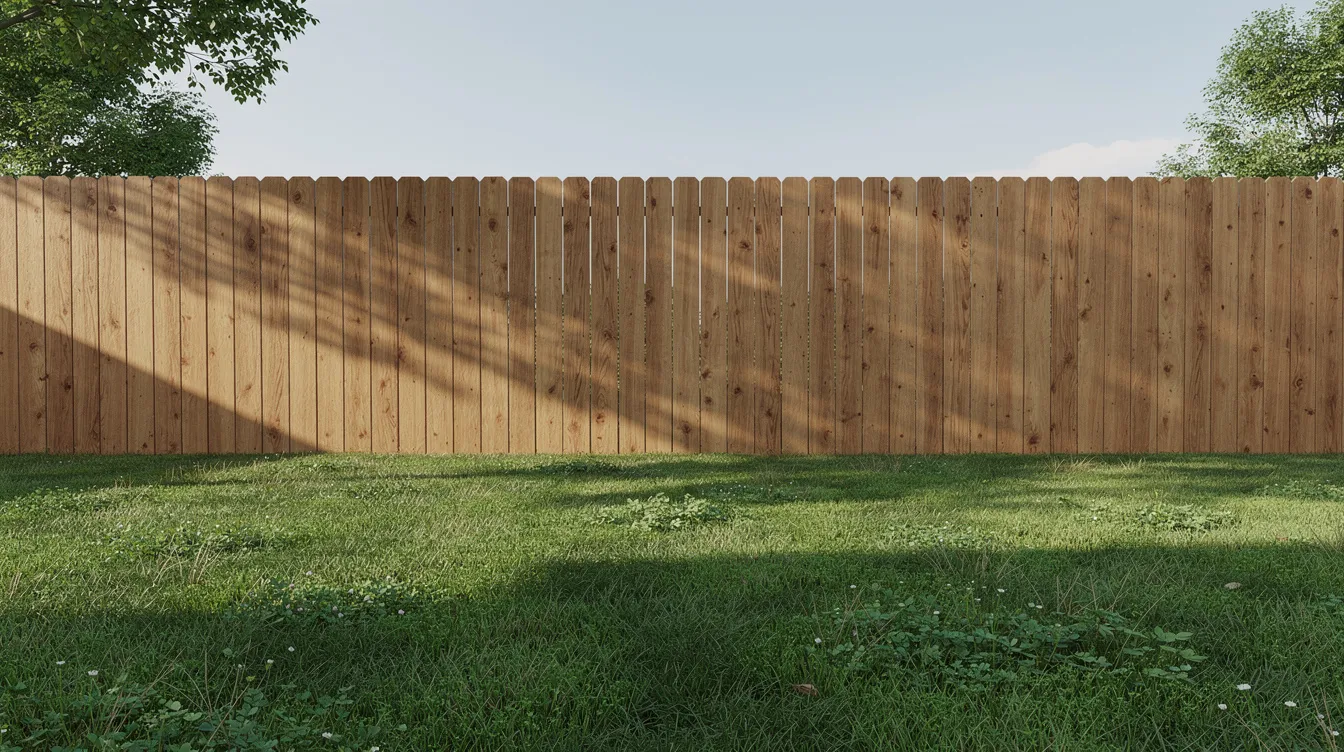
The first decision isn’t style or wood type. It’s how much privacy you actually need. Privacy fences typically range from 4 to 8 feet high and use solid boards or tongue and groove planks with no gaps. They can transform a backyard into a true outdoor space.
Semi-privacy options like a shadowbox fence or spaced pickets sit somewhere in the middle – you get airflow and some screening without a solid wall. Open fence styles like a low picket fence or split-rail fence simply mark a boundary without blocking views. Split-rail fences use an open design with horizontal rails and suit rural or rustic properties well. This privacy choice drives your cost, your materials, and how your neighbors feel about the project.
Classic vertical wood fence styles most homeowners ask about
Vertical boards are still the most common orientation in most neighborhoods. Traditional fences with boards running up and down handle slopes easier, adapt to different heights from 4-foot front yard to 8-foot backyard, and work with almost every home’s exterior. In many towns, the “good side” of the wooden fence has to face the neighbor or street, and that affects which style you pick. Here’s how the main styles break down.
Stockade fence basic solid privacy
A stockade fence features closely spaced vertical boards – often with pointed or dog ear tops – creating a solid privacy fence with no gaps between boards. Stockade fences provide excellent privacy and are typically one of the least expensive wood fence options per linear foot. I still recommend stockade for utility areas or side yards where aesthetics matter less. But if the fence is visible from the street, I usually steer homeowners toward something with more character, because many fences that start as “just stockade” end up looking dated fast.
Picket fence charming but not always private
A standard picket fence uses evenly spaced pickets, typically 4 to 6 feet high, and works great for front yards and gardens. You can customize the look with different tops – dog ear, flat top, or French gothic – without changing the function. In stark contrast to a privacy fence, traditional white picket fences have gaps and don’t hide anything. A tight-spaced privacy picket is an option, but boards swell and create pressure on each other in wet weather. I often suggest running a picket fence along the front entry and tying into taller wood fences on the sides for a consistent style that still looks intentional.
Board on board and shadowbox fence good neighbor privacy
Here’s where versatility really shows up. True board-on-board overlaps boards on one side for full privacy. A shadowbox fence alternates pickets on both sides of the rails, so each yard sees a finished face. Board-on-board fences can be built for full privacy or semi-privacy depending on spacing.
Shadowbox fences often help neighbors agree to share cost because both sides look the same. I build these a bit heavier in windy areas – they catch more wind than plain stockade. This style typically satisfies pool fence codes if built at the right height with correct spacing.
Tongue and groove privacy fence clean and solid
Tongue and groove boards lock together to form a solid wall with virtually no gaps – even after boards shrink over time. This style is popular around pools and patios where homeowners want zero visibility. You can customize it with a lattice top, decorative picket cap, or straight top. Note that this style holds moisture more than gapped fence styles, so good drainage and sealing are the foundation of its durability. I always tell homeowners to expect more hands-on maintenance with tongue and groove.
Modern horizontal fence styles and when they make sense
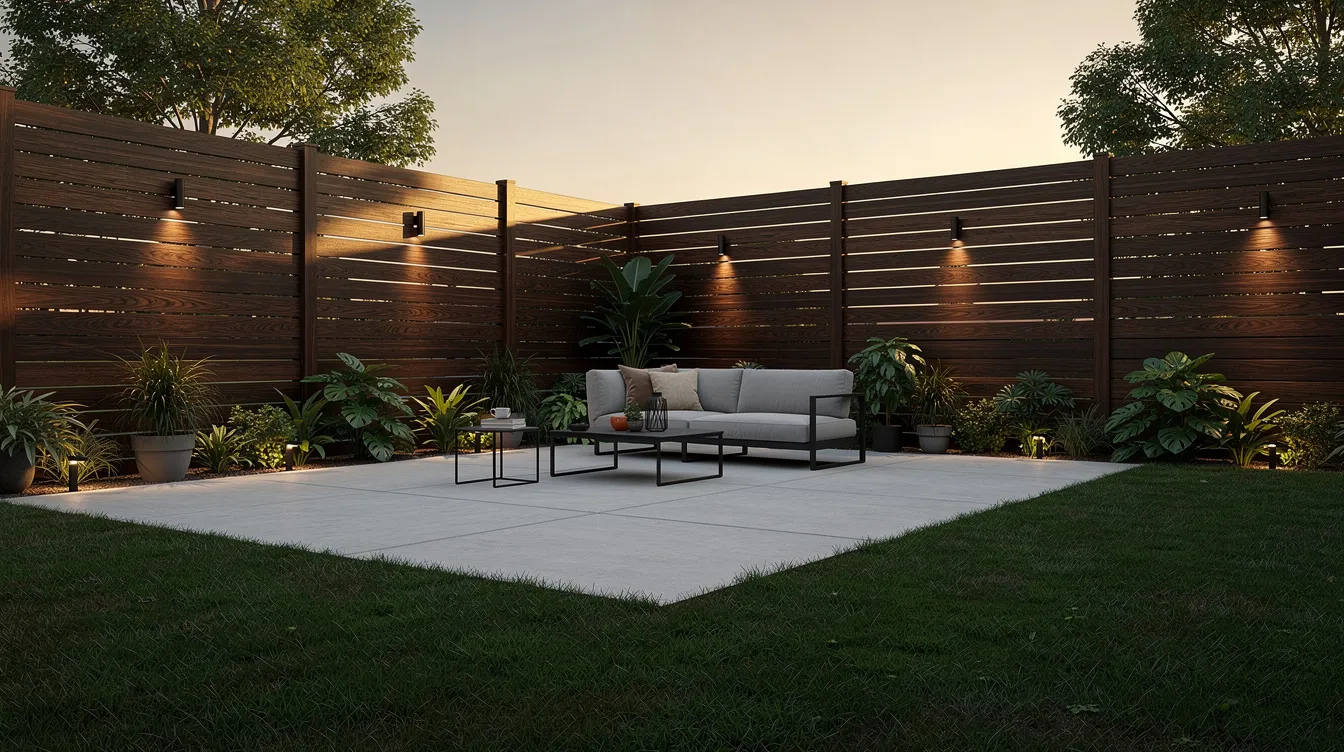
Horizontal fence designs have been gaining popularity over the last decade. Horizontal wood fences are popular for modern aesthetics, and I see them on nearly every new-build site in trendy neighborhoods. A standard horizontal fence consists of horizontal boards running parallel to the ground – usually 1×6 or 1×8 – either tight together or with small gaps.
The modern look is sharp, but horizontal fence styles need straighter fence posts, better framing, and careful spacing to avoid sagging. They’re harder to install on sloped yards and often cost 25–40% more per linear foot than basic vertical styles. I often walk homeowners around their own yard to show where a horizontal fence will work and where a vertical wood fence is the smarter call.
Horizontal privacy fence solid modern wall
A horizontal privacy fence stacks boards tight – or uses tongue and groove – creating a full privacy wall effect. It looks best around patios, modern homes, or along short, fairly level runs of property line. Structurally, you need stronger posts set in a deep concrete foundation, more fasteners, and sometimes a metal frame to keep boards straight. This style sits at the higher end of wood fence cost per foot. Think of it as the Instagram fence – it photographs beautifully, but the reality behind those photos involves serious framing work.
Horizontal semi privacy fence with gaps
Horizontal fences with consistent gaps offer a more open feeling while still screening most views. They work well on side yards, near patios where you want breeze, or along driveways. Actual gap size matters – small gaps hide most views, while larger gaps feel more open. Horizontal fences with minimal gaps still offer some privacy but less than solid styles.
A common mistake: homeowners ask for gaps that are too small, then the boards swell in wet weather and close up entirely. I always suggest mocking up one section on site so you can see the spacing before building the whole run.
Choosing wood types and details that define your fence style
The same fence style looks completely different in pressure treated pine versus cedar or redwood. Pine is the budget pick – durable enough for 10–15 years with proper sealing, but prone to warping. Cedar resists rot naturally and can last 15–25 years with maintenance. Redwood is premium, beautiful, and long-lasting but expensive. Maintenance requirements vary for different wood species in fencing – keep that in mind.
How you finish the fence matters just as much. A natural cedar stain gives warm aesthetics, a dark modern stain suits contemporary homes, and classic white paint is still the go-to for picket fences. The right stain or paint color can complement your home’s exterior and enhance the whole property.
Post caps trim boards and other finishing touches
Post caps are small pieces that sit on top of fence posts to shed water and protect the post from rot. Common choices include flat caps, pyramid, solar lighting caps, and decorative designs. These accessories aren’t just cosmetic – they extend post life significantly. Trim boards and top rails hide cut board ends, creating a cleaner, more finished appearance. From experience, I’ll note that caps pop off in high wind if you just set them on with glue. I always fasten mine with screws or adhesive and screws together. Trellises or lattice panels on top add height and character without the cost of a taller solid fence.
Matching wood fence styles to your yard and local rules
The perfect fence on Pinterest may not suit your specific property. Slope affects style – stepped sections work for vertical fences, but horizontal fence designs fight steep grades badly. Local regulations may dictate height limits and material restrictions, so always check before ordering wood.
Practical elements matter too: dogs that dig, kids who climb, and neighbors who want a say in a shared wooden fence. I encourage every homeowner to walk the line with their contractor and talk through these decisions in person before committing.
Cost lifespan and maintenance by style
Wood fence costs range from $10 to $30 per linear foot for materials, and installation costs typically range from $12 to $25 per linear foot. A 100-foot wood fence costs between $2,500 and $6,500 depending on style and wood. Gates and hardware can increase total fencing costs. Complex styles like horizontal fence, shadowbox fence, or heavy tongue and groove cost more than simple stockade or basic picket.
Apply sealant or stain every 2–3 years in most climates. Inspect for loose boards and signs of rot regularly. Clean wooden fences with a power washer or scrub brush annually. Trim vegetation away from the fence to prevent moisture buildup. More solid privacy fence styles trap moisture and need more diligent attention than open styles with airflow.
Common mistakes I see homeowners make with wood fences
I’ve seen many fences go wrong for preventable reasons. The biggest: choosing a horizontal fence style for a steeply sloped yard, then being shocked when panels need ugly stepping or heavy custom trimming. Going too tall or too solid without proper framing means wind load becomes a real problem – I’ve rebuilt fences that were only two years old because the posts couldn’t handle the pressure.
Ignoring neighbors is another one. When the “good side” faces the wrong way or the fence lands on the property line without a conversation, disputes follow fast. My advice: ask your installer to show photos of the same wood fence style at five or ten years old, not just brand new. That tells you what to really expect.
How I help homeowners choose the right wood fence style
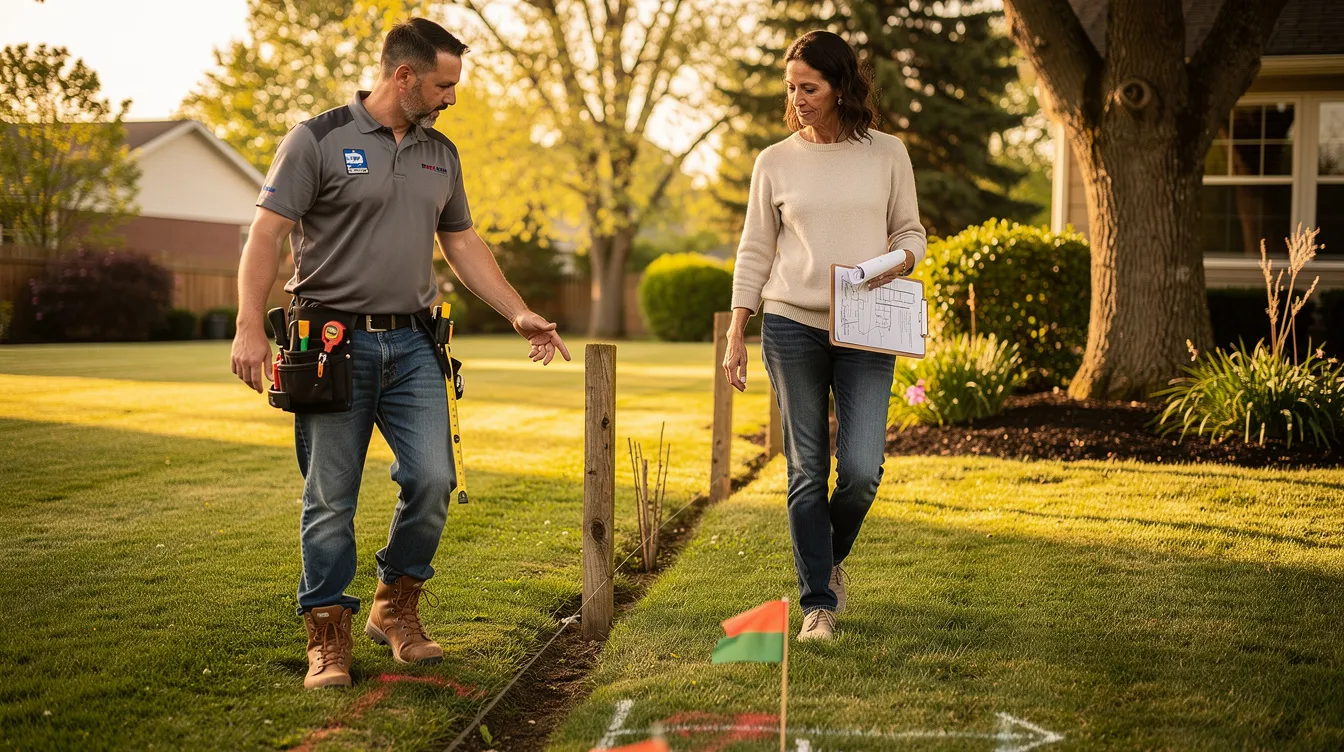
When I run an estimate, I walk the property and ask how the homeowner actually uses their yard. Then I match that to a specific style. I often sketch two or three options – maybe a privacy fence along the back, a shadowbox fence on the neighbor’s side, and a picket fence in front. Each section of property line can alternate between styles to suit how you live.
I talk honestly about budget, maintenance willingness, and long-term plans – like adding a pool or selling in a few years. Focus less on fancy names for fence styles and more on how you want the yard to feel day to day. That’s how you find the right fence, not the trendiest one.
FAQ about wood fence styles
These are questions I hear a lot that weren’t fully covered above.
Which wood fence style needs the least maintenance
No wooden fence is truly low maintenance, but simpler styles in pressure treated pine with decent airflow – like a basic board fence or spaced picket – are usually easiest to keep up. Solid privacy fence styles and horizontal fences tend to need more careful sealing and inspection because they hold moisture and show warping more. Plan on sealing or staining every 2–3 years and checking posts and bottom boards yearly.
Can I mix different wood fence styles on the same property
I do this all the time and it often looks better than forcing one style everywhere. A low picket fence in front with a tall privacy fence in the backyard is a classic combination. The key is keeping some elements consistent – same post size, same post caps, same stain color – so the whole thing feels intentional, not patched together. I usually walk the property with the homeowner and mark exactly where each style should change.
Is a horizontal fence strong enough for a windy area
It can be, but you need heavier posts, deeper footings, and more attention to framing than a typical picket fence. In very windy, open lots I often recommend either a more open fence style or a reinforced horizontal design using better fasteners and maybe steel posts or metal framing. Ask your installer exactly how they build horizontal fence runs to resist wind – that conversation tells you a lot about their experience.
How high should my wood privacy fence be
Most privacy fences are 6 feet high because many city codes cap residential fences there. Eight-foot wood fences are possible in some areas, especially along busy roads, but they need heavier framing and may require permits or neighbor approval. Always check local rules first, then walk the property with a tape measure to see what height actually feels right in your space.
Will a shadowbox fence keep my dog in the yard
For most medium and large dogs, a properly built 6-foot shadowbox fence works fine. Very small dogs or good climbers may find gaps or footholds, though. If the dog is a jumper, I recommend a solid privacy fence with no horizontal rails on the inside that could serve as steps. I also look at the bottom of the fence line and can add a rot board or wire at the base if the dog likes to dig.